Understanding DIY Gravel Projects: Rock Size, Maintenance, and Cleanup
Landscaping rocks can be used for all sorts of wonderful property designs. Though you have to consider every aspect of these DIY projects before ordering a gravel delivery, once completed, your home’s landscape will likely look much better.
Make sure that you consider everything when it comes to using landscaping rocks and crushed gravel for outdoor property projects. What does that mean exactly?
Use the right kind of gravel for hardscape pathways on your lawn or for larger driveway projects. Using five-eighths minus crushed rock is a great way to create a high quality walking pathway. This type of rock is commonly used for driveway gravel, but can also make a terrific pathway from your driveway, through your yard, to the front porch, or even as backyard patio. Five-eighths minus rocks contain rock particles that are actually much smaller than most types of gravel. The fine gravel particles allow the pathway to compact well, resulting in a smooth, firm, and well drained pathway.
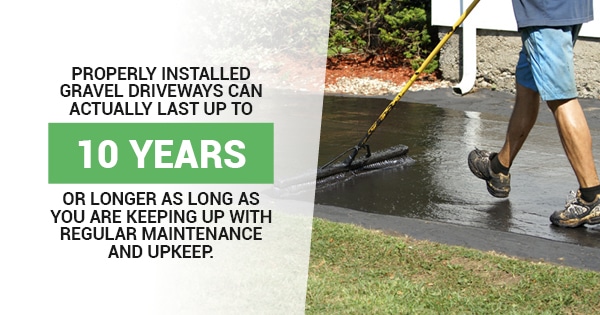
Also, 1 and one-fourth minus can be used for these hardscape pathways, but you should be aware that this material is larger and will result in a different look and feel. If you’re using these crushed rocks for driveway gravel, you’re going to need a higher quantity, but the material should be strong enough to achieve a great looking driveway. Properly installed gravel driveways can actually last up to 10 years or longer as long as you are keeping up with regular maintenance and upkeep.
However, while it’s important to choose the right types of crushed gravel for your DIY project, that doesn’t mean you should take a one size fits all approach. When the time comes to install your gravel driveway, make sure that you’re varying the size of gravel you’re actually using. It’s recommended to use at least three sizes of gravel for a quality and durable driveway. The bottom layer should consist of four inches of much larger rocks (roughly the size of a baseball). The middle layer should be a little smaller (roughly the size of a golfball), and the top lawyer should be the smallest layer (roughly the size of a marble).
Don’t forget about properly cleaning up after these projects, too. If you don’t have an excavator of your own, you can always consult a professional team who focuses on removing debris from construction sites.
If you need help removing debris from construction sites, ordering crushed gravel sites, or want to learn more about what rockery rocks can be used for, contact Builders Sand and Gravel today.
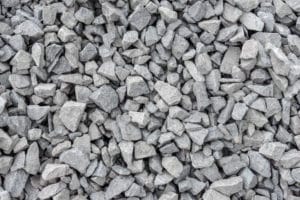 Outdoor landscaping projects are a wonderful way to improve property value and appearance. Whether it’s a small home landscaping project or a major commercial property improvement, gravel and similar materials are great for these outdoor jobs.
 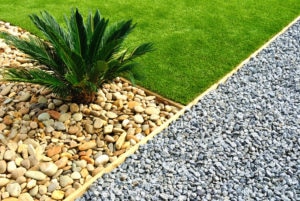 When it comes to landscaping design, there are many benefits of having gravel installed around your home or business. You might ask yourself, “What can I use gravel for?”, but the truth is that it is a versatile and practical material. These ubiquitous landscaping rocks are easily maintained, affordable, and readily available from most gravel delivery companies. If you’re in the process of planning your next residential or commercial landscaping project, then here are some of the benefits of crushed gravel: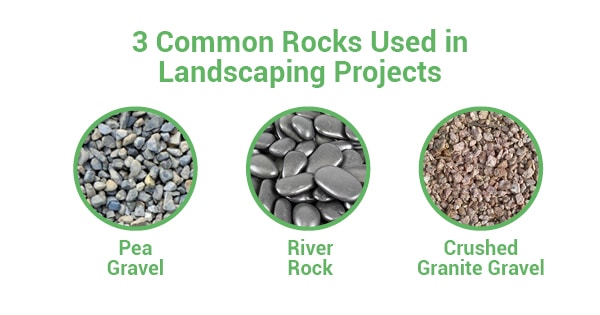
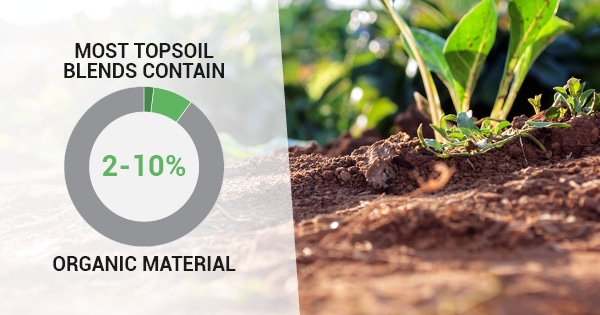 Whether you’re a seasoned gardener or you’re still developing your green thumb, it’s no secret that topsoil is one of the most important aspects of your outdoor growing projects. As the uppermost layer of soil, usually between two and eight inches down, it houses some of the most important nutrients and raw material for both landscaping and gardening. But one topsoil certainly doesn’t fit all. There are many types of topsoil, each with their own benefits to your garden and landscaping project.