4 Tips for Choosing the Best Stone Color for Your Gravel Project
 Gravel and rock of any kind play important roles in the world of landscaping. From lining pathways to mulching gardens, rock in all shapes and sizes provides both beauty and utility in a variety of applications.
Choosing the perfect stone for your project can be a tricky task. Should you choose small pea gravel, washed gravel, or crushed rock for your pathway? What size should the stone be? What color would look the best?
While size and shape largely come down to practicality, selecting the color of your stone is a matter of personal preference. To choose a stone color you’ll love for years, try using the following guide:
1. Coordinate With Other Elements In the Space
Though pea gravel can be a pretty and charming aspect of your yard, chances are, it’s not the star of the show. When designing a landscape, most homeowners want to show off other lawn elements, like flowers, trees, or yard furniture. Consider these features when choosing a gravel color– if you have a lot of black patio furniture, consider choosing a light stone to contrast the dark. Or, if you already have stone features, pick a similar stone color to help unify your overall landscape.
2. Play With Contrasts and Multicolor
Contrast is a useful tool for calling attention to other yard features. If you have a display of bright white flowers, dark gray, deep brown, or black pea gravel will offset the pale blooms. If you want your gravel pathway to be more visually interesting, you can even order pea gravel in mixed tones and colors.
3. Add Drama with Monochrome
Many designers prefer the bold, stark appearance of saturated monochromes. For example, deep black or nearly white drain rock can create clear borders around flower beds and walkways, which call attention to their shape. If you want a bold, modern look, a single dark or light pea gravel color might be the perfect choice.
4. Consider Temperature
Dark black gravel tends to retain heat, while white rock and utility sand tend to reflect hot temperatures. Consider the amount of sun and shade if your outdoor landscape, and choose colors to help manage temperatures throughout the seasons.
When properly installed, gravel and stone elements can least for years. Even a gravel driveway can last three to five or even 10 years with regular upkeep and maintenance. Use this guide to enjoy the color stone you select for years to come. For more information about gravel and rockery rocks of all kinds in the Seattle area, visit builderssandandgravelinc.com today!
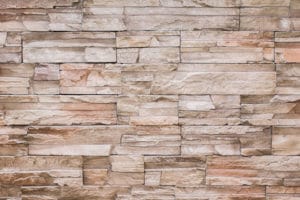 According to a study conducted by Houzz Landscape Trends in 2017, 38% of homeowners upgraded their pathways, driveways, patios, and terraces use crushed gravel or rock. However, crushed gravel, river rocks, and rockery rocks can be used in a variety of home improvement projects beyond outdoor spaces.
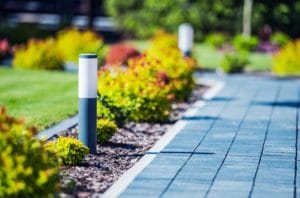 Although winter is on its way, that doesn’t mean you can’t look ahead to your spring landscaping plans. In fact, there are certain landscaping elements that can make your property look aesthetically pleasing all year round. Rocks and stone features, for example, can add depth, texture, and color to your outdoor space — no matter the season. If you need a bit of inspiration to get started, here are some excellent uses for landscaping rocks in your front lawn or backyard.
 Spring showers, summer storms, and dreary fall and winter rainfall can all wreak havoc on a yard. Too much moisture can accumulate in your grass or garden, creating a spongy mess. In some cases, poor lawn drainage can even damage your home’s structure through flooding.
 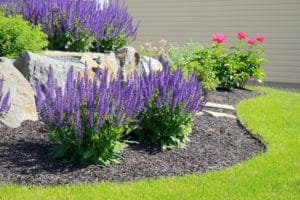 A beautiful landscape design involves many elements. Gardens, trees, pathways, and buildings require clever and artistic arrangement to create a cohesive and attractive outdoor space.
 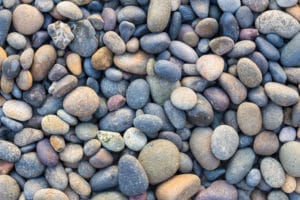 River rock is a type of washed gravel known for its smooth, rounded texture and versatility. River rocks come in a range of sizes, but are typically one to two inches in diameter. Creative landscapers choose to use river rock for landscaping because of its wide range of beautiful and practical applications, including:
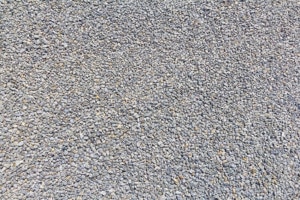 Certain landscaping projects can actually increase a home’s resale value by as much as 14%.
  Landscaping projects, if done correctly, can actually increase your property’s resale value by as much as 14%. There are all kinds of cool ways you can improve your property; plant a garden, install a pool, add a new room or patio, etc. But only a few landscaping projects are actually kid-friendly.