Understanding Soil: Here Are 6 Frequently Asked Questions About Soil
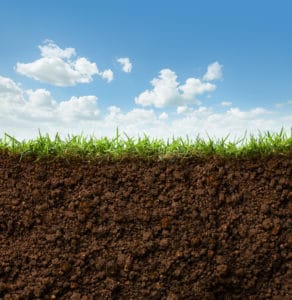 Soil is an essential part of not only small-time gardening projects, but the visual appearance of the entire planet as well. There are three types of topsoil, including sand, loam, and clay. Of these three types, however, there are plenty of soil uses. Hopefully this guide well help you better understand this essential material.
Here are some commonly asked questions about soil and soil uses:
- What is soil made of? — Soil is a mixture of organic matter, gases, liquids, organisms, and other minerals. All these items mixed together support life on earth.
- How is soil evaluated? — Soil is evaluated on two basic features: its texture and its fertility.
- What does soil actually do? — Soils can do all kinds of things, including provide a healthy habitat for animals and organisms to live. Additionally, soil can absorb and purify the majority of water found in terrestrial systems. Soils can also modify the atmosphere by emitting and absorbing gases and dust, as well as process recycled nutrients, including carbon, so that living things can use them over and over again.
- Is all soil the same color? — No, color can actually tell a lot about the soil’s mineral content. For example, soils high in iron are a deep orange-brown and yellowish color, and soils with a lot of organic material are closer to a dark black.
- Does soil itself have layers? — Soil is the uppermost layer of the earth, but it does, in fact, have layers itself. Topsoil is the uppermost layer of soil and is usually between two and eight inches thick.
- What are the other layers of soil? — At the bottom comes bedrock, followed by parent material, then subsoil, and directly underneath topsoil is the eluviated horizon.
If you want to learn more about the various soil uses there are in the world or work with a topsoil delivery or drainage gravel delivery service, give Builders Sand and Gravel Inc a call today.
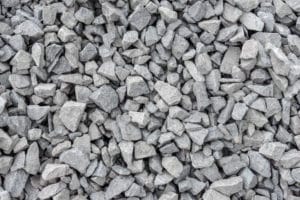
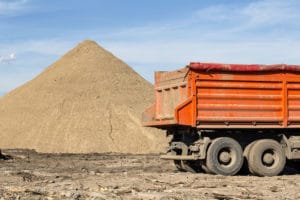 If you are planning some do-it-yourself (DIY) projects over the next few months or years, you need to make sure you have all the right materials necessary to complete any job you begin. Using construction sand and certain types of rockery rocks can make a significant difference when it comes to your final project, because often these materials are literally the foundation of any successful DIY landscaping project.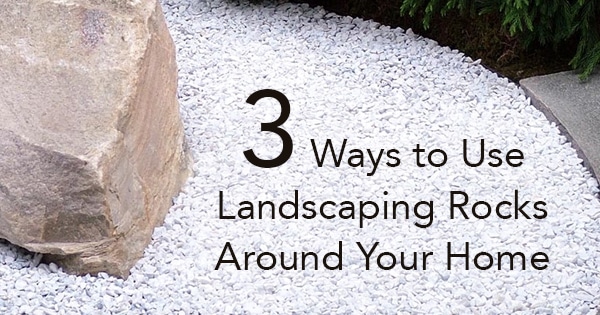
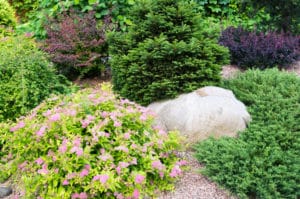 As a homeowner, you should never feel content with the look and feel of your property. Even if your home truly does look amazing, and even if you’ve spent years improving both the exterior and interior of your property, you should never feel like it’s complete.
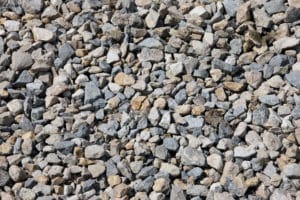 During a flood, you must act quickly to preserve as much of your property as you possibly can. Major flooding may cause serious and expensive damage to your home, but your landscape is just as susceptible. In order to prevent flooding or provide damage control, a French drain is your best bet.