3 Aspects of Construction Work Civilians Just Don’t Understand
Written by Builders Sand & Gravel Inc. on . Posted in Blog

removing dirt from construction sites

When it comes to major construction jobs, there are so many important aspects involved that often go unnoticed by the general public. In fact, most laypeople are completely ignorant of how their homes and workplaces were actually built. The truth is that construction work is much more complex than most people realize, and there are many necessary aspects of the job that we take for granted.

Thanks to the popularity of the DIY movement, more and more regular people are trying to take on construction work themselves. And while we commend the DIY spirit, ignorance isn’t bliss when it comes to construction. Here are some essential parts of any construction job that you need to keep in mind:

Safety, safety, and safety
If you aren’t focusing on the safety of everyone at your construction site, you’re in the wrong industry. These jobs, no matter how small, can be life-threatening if proper safety measures aren’t in place. Be sure to remove any dangerous hazards before any work is performed, check and double check all safety equipment (and then check again), and be sure to only have competent workers performing jobs they know how to do. Be sure you’re abiding by construction laws and local safety regulations as well. 

Removing dirt from construction sites
Topsoil is the uppermost layer of soil on the ground. It is usually between two and eight inches thick and can leave a gigantic and heavy mess when a construction site has come to completion. That’s why it’s essential that the displaced dirt and debris removal process is not forgotten. Removing dirt from construction sites can be virtually impossible if you’re not working with the right tools or the right company. Luckily, there are professional concrete removal and dirt removal services that can help you with removing dirt from construction sites (and any types of topsoil) so you can move on to your next job right away. 

Delivery of materials
You’ll also need plenty of materials for various construction jobs, and it’s up to you to make sure you have the right materials and tools for each project. A lot more coordination and logistics goes into even the simplest construction job than most people realize. For instance, you can work with a gravel delivery service if you need large quantities of gravel. Additionally, it’s extremely important that you have all the necessary tools and equipment for major construction jobs, which will have to be delivered to the job site, too. 

If you want to learn more about these important matters or need further help removing dirt from construction sites in Seattle, contact Builders Sand and Gravel Inc. 
Flood Control and Prevention: What Is a French Drain?

Written by Builders Sand & Gravel Inc. on . Posted in Blog

when to use drainage gravelDuring a flood, you must act quickly to preserve as much of your property as you possibly can. Major flooding may cause serious and expensive damage to your home, but your landscape is just as susceptible. In order to prevent flooding or provide damage control, a French drain is your best bet. 
What is a French drain?
If you have a soggy and wet yard, a French drain is a great way to rid your property of that unwanted moisture. Simply put, a French drain is just a sloped trench that diverts water away from your property. Henry French, a Massachusetts farmer, wrote about the innovative yet simple idea in a book about farm drainage back in 1859. 

French drains with piping
For major flooding jobs, lining your French drain with a sloped pipe is the best option because it expedites the flowing process. Water can travel extremely efficiently through a pipe because there isn’t any material blocking its path. The pipe is then emptied a safe distance away from your home and your land will once again be dry — or at least at manageable moisture levels. 

When to use drainage gravel
Using crushed gravel for your French drain is also a very practical and feasible idea for flood control. Don’t be worried about all that gravel negatively affecting your property’s image, either. Using a lawyer of river rock or pea gravel atop your drainage gravel will give it a more upscale look that blends in with the surrounding landscape. A one-inch layer of small rocks can also provide great weed control for your property. Knowing when to use drainage gravel is important for ridding your property of all that moisture, especially when you don’t have the time or resources to install a French pipe drain. 

Knowing how to properly use washed gravel for landscaping projects is an excellent skill that will certainly come in handy if you’re ever planning to construct a French drain on your property to prevent a soggy yard. If you want to learn more about when to use drainage gravel or other rockery rocks, or find a high quality topsoil delivery service, contact Builders Sand and Gravel Inc. 

River Rock vs. Pea Gravel vs. Drain Rock: How to Choose

Written by Builders Sand & Gravel Inc. on . Posted in Blog

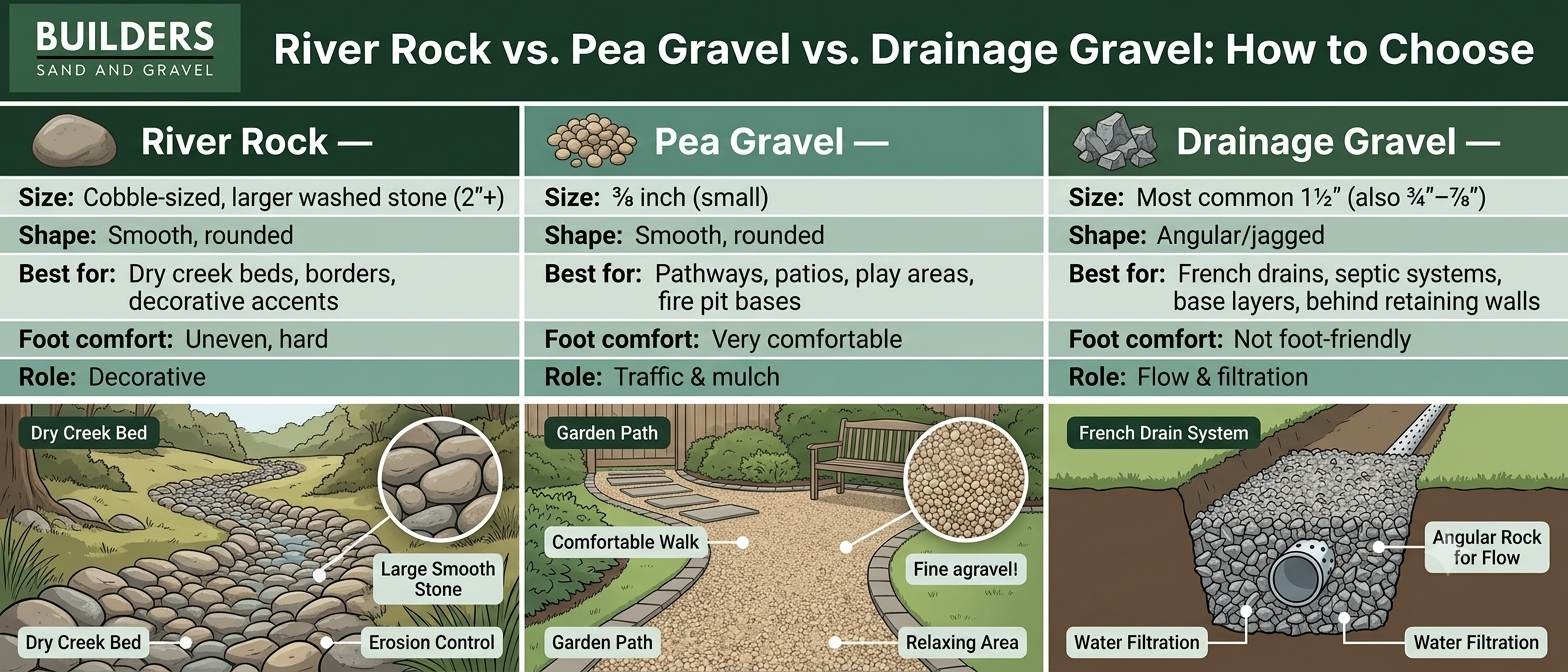
River rock vs. pea gravel vs. drainage gravel comparison infographic by Builders Sand & Gravel

Trying to decide between river rock, pea gravel, and drain rock? They are all washed stone, but they are not interchangeable, and choosing the wrong one is the most common reason a project disappoints. This guide compares the three side by side so you can pick the right material for your specific job, whether that is a landscaping bed, a French drain, a patio, or a play area. (If you just want a plain-English explainer of what washed gravel is, see our guide to what washed gravel is and why to use it.) When it comes to choosing, the size and shape of the stone is what matters most. Here is how the three compare and when to use each.

MaterialTypical sizeBest for
River rockCobble-sized (larger washed stone)Dry creek beds, borders, accents, decorative ground cover
Drainage gravel (drain rock)Most common 1½”; also ¾” or ⅞”French drains, septic systems, behind retaining walls, base layers
Pea gravelAbout ⅜ inchPathways, patios, fire pit bases, play areas, container drainage

River rock: the decorative choice

River rock is smooth, rounded stone usually in oversize, cobble sizes larger than two inches. Its size and natural coloring make it the go-to material when looks matter. It is most often used to build the dried-riverbed effect that has become so popular in low-water landscaping, and it works well for planting strips, flower-bed borders, and property accents. Because the stones are larger and heavier, river rock also resists washing away on a slope better than the smaller materials.

Drainage gravel: the workhorse

Drainage gravel, often called drain rock, is washed stone chosen for its ability to let water move through it freely. The most common size is 1½”, with smaller ¾” and ⅞” options for tighter spaces. Because the larger stones create more open space for water, drainage gravel is much better suited to bigger jobs: French drains, septic drain fields, the gravel layer behind a retaining wall, and base layers under pavers. If your goal is moving water rather than appearance, this is the material you want.

Pea gravel: the small, versatile option

Pea gravel is the smallest of the three, roughly three-eighths of an inch, with a smooth, colorful, rounded look. Its small size makes it comfortable underfoot, which is why it is popular for pathways, patios, and play areas, and it makes a clean, well-draining base under a fire pit. The same small size means it can scatter more easily than river rock, so edging helps keep it contained on paths and patios.

Which one should you order?

Match the stone to the job. Choose river rock when the look is the point and you want larger decorative stone that stays put. Choose drainage gravel when the job is about moving water through a drain, a wall, or a base layer. Choose pea gravel when you want a comfortable, finer surface for a path, patio, or play space. Many projects use more than one, for example drainage gravel as a base with pea gravel or river rock on top.

Common questions about washed stone

What’s the difference between river rock and pea gravel? River rock is larger, smooth, rounded stone (in oversize cobble sizes (larger than 2 inches)) used mainly for decorative work. Pea gravel is much smaller (about ⅜ inch), which makes it comfortable underfoot for paths, patios, and play areas.

Which gravel is best for drainage? Drainage gravel (drain rock) is the best choice for moving water. The most common size is 1½”, with smaller ¾” and ⅞” options for tighter spaces, and it’s used for French drains, septic fields, retaining-wall backfill, and base layers.

What size river rock should I use? For most decorative uses, river rock in oversize cobble sizes (larger than 2 inches) works well. Larger stone stays in place better on slopes, while smaller washed stone is easier to walk on.

Can I use more than one type in a project? Yes. Many projects layer drainage gravel as a base with pea gravel or river rock on top, combining good water movement with the look or feel you want on the surface.

Ordering washed stone in King or Snohomish County?

We deliver river rock, drainage gravel, and pea gravel throughout the greater Seattle area. Drain rock & washed gravel  |  Contact us for a quote

Want the basics first? Read what washed gravel is and why to use it in our guide to What Is Washed Gravel?  or read our full pea gravel project guide.

3 Things to Consider Before Starting a DIY Landscaping Project

Written by Builders Sand & Gravel Inc. on . Posted in Blog

dirt removal services

Landscaping projects are an exciting part of homeownership and can even increase overall resale value by as much as 14%. If you’re planning any major landscaping projects during the next few months, however, it’s important that you know exactly what you’re getting yourself into. 

Though these projects can be fun, they can also be quite difficult to accomplish and can be very time consuming. Hopefully, this list of things to consider before starting any major landscaping projects will help you stay out of trouble and see every outdoor project through to completion.

Here are a few important factors of DIY home landscape projects that you should consider: 

What materials and equipment are you going to need?
Knowing what you need for each project is an essential part of landscaping. Before you jump into any outdoor job, sit down and really think about exactly what you’ll need to complete it. The most frustrating part of beginning these projects is starting too soon and having to get materials and tools later on. Look in your garage for any tools you might need and head to the store if you need anything specific, as far as equipment goes. 

How are you going to acquire all those materials?
Find a trusted organization that can provide you with the necessary products like crushed gravel for your specific DIY landscaping projects. Having these materials delivered to you is a great way to take some of the stress off your shoulders. You’re obviously in charge of gathering most of the equipment, but crushed gravel delivery services can help supply you with all the materials you’ll need for most landscaping jobs. 

How are you going to get everything cleaned up?
Depending on how large the landscaping project was, there could be a lot of cleanup necessary. Removing debris from construction sites or property lines can take a lifetime if you try to do it yourself. That’s why dirt removal services are so helpful — because they can successfully cleanup any major outdoor landscape site. Work with professional dirt removal services to get your property looking good in no time. 

Good luck on your DIY landscaping projects, and enjoy your property’s new look! Contact Builders Sand and Gravel Inc. today if you need dirt removal services or certain landscaping rocks in the Seattle area.

Topsoil vs. Potting Soil: What’s the Difference & Which to Use

Written by Builders Sand & Gravel Inc. on . Posted in Blog

Topsoil and potting soil sound interchangeable, but they are built for different jobs, and using the wrong one is a common reason garden beds underperform. The short version: topsoil is for in-ground beds and improving the soil you already have; potting soil is for containers. Here is the difference and how to choose.

The difference between topsoil and potting soil

Topsoil is real soil. It is the upper layer of natural ground, usually the top two to eight inches, screened and blended with materials like sand, compost, and fine organics. Our own 3-way topsoil blends soil, sand, and organics (including manure, one of the most effective natural fertilizers). Potting soil usually contains no soil at all. Often called potting mix, it is a blend of peat, aged compost, perlite, and vermiculite designed to hold moisture and nutrients while staying light enough for roots in a pot.

 TopsoilPotting soil
Made ofReal soil plus sand and organicsPeat, compost, perlite, vermiculite (often soil-less)
Best forIn-ground beds, lawns, leveling, amending native soilPots, planters, raised containers, seed starting
DrainageHolds moisture, denserDrains fast, stays light
Cost per volumeLower – sold by the cubic yardHigher – sold by the bag

When to use topsoil

Use topsoil for anything in the ground: filling and leveling, starting a new bed, top-dressing a lawn, or improving tired native soil. Mix two to three inches into your existing garden soil rather than burying plants in a thick layer – blending creates a transition zone so roots adapt instead of hitting a hard line between soils. Keep in mind topsoil is not fertilizer; it improves structure but does not supply every nutrient on its own.

When to use potting soil

Use potting soil in containers, where its light, fast-draining mix keeps roots from sitting in water. It is the right pick for pots, planters, and seed starting. Do not fill an in-ground bed with potting soil alone – it drains so freely that it dries out quickly and gets expensive fast, since it is sold by the bag rather than the yard.

Can you mix them?

For raised beds, a blend works well: topsoil for body and moisture retention, plus a lighter mix or compost for drainage and nutrients. Our Vegetable Garden Mix and Organic Compost are built for exactly this. For pure containers, stick with potting mix. For everything in the ground, topsoil is the workhorse.

Pro tip

Match the blend to the season and the bed. For soggy Northwest winters or shady, damp corners, our sandier Winter Mix drains better than standard topsoil. For vegetable beds where nutrients matter most, go with Vegetable Garden Mix. Not sure how much to order? Our yardage calculator does the math for you.

Common questions

Can I use potting soil in the ground?

It won’t hurt your plants, but it’s the wrong tool. Potting mix drains so fast that in-ground beds dry out quickly, and filling a bed by the bag gets expensive. Use topsoil for the body of the bed and save potting mix for containers.

Can I use topsoil in pots?

Not on its own. Topsoil is denser than potting mix, and in the confined space of a container it compacts and holds too much water, which suffocates roots. Containers need the light, fast-draining structure of potting mix.

What should I put in a raised bed?

A blend: quality topsoil for moisture retention and body, mixed with compost or a lighter garden mix for drainage and nutrients. A common recipe is roughly two-thirds topsoil to one-third compost.

Is topsoil cheaper than potting soil?

Significantly, for any real volume. Topsoil is sold by the cubic yard and delivered by the truckload; potting soil is sold by the bag. For beds, lawns, and leveling, bulk topsoil is the economical choice.

How much topsoil do I need?

Measure the area in square feet, decide on a depth, and convert to cubic yards – one cubic yard covers about 108 square feet at 3 inches deep. Our material yardage calculator gives you the number in seconds, and our cubic-yard guide walks through the math.

Ready to build a better bed?

We deliver premium 3-way topsoil, Winter Mix, Vegetable Garden Mix, and Organic Compost across Seattle, Bellevue & Snohomish County – topsoil is delivery only, so skip the truck rental. We also carry bark & mulch to finish the job.

Request a Delivery Quote

Understanding DIY Gravel Projects: Rock Size, Maintenance, and Cleanup

Written by Builders Sand & Gravel Inc. on . Posted in Blog

removing debris from construction sites

Landscaping rocks can be used for all sorts of wonderful property designs. Though you have to consider every aspect of these DIY projects before ordering a gravel delivery, once completed, your home’s landscape will likely look much better. 

Make sure that you consider everything when it comes to using landscaping rocks and crushed gravel for outdoor property projects. What does that mean exactly? 

Use the right kind of gravel for hardscape pathways on your lawn or for larger driveway projects. Using five-eighths minus crushed rock is a great way to create a high quality walking pathway. This type of rock is commonly used for driveway gravel, but can also make a terrific pathway from your driveway, through your yard, to the front porch, or even as backyard patio. Five-eighths minus rocks contain rock particles that are actually much smaller than most types of gravel. The fine gravel particles allow the pathway to compact well, resulting in a smooth, firm, and well drained pathway. 

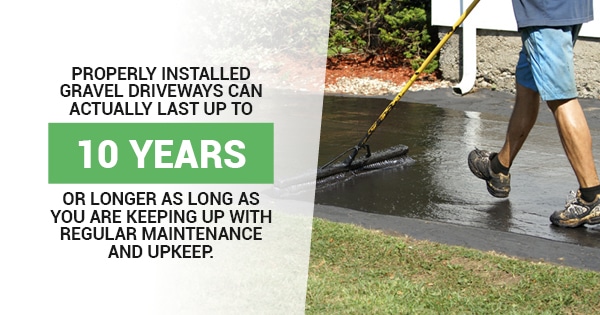
Also, 1 and one-fourth minus can be used for these hardscape pathways, but you should be aware that this material is larger and will result in a different look and feel. If you’re using these crushed rocks for driveway gravel, you’re going to need a higher quantity, but the material should be strong enough to achieve a great looking driveway. Properly installed gravel driveways can actually last up to 10 years or longer as long as you are keeping up with regular maintenance and upkeep. 

However, while it’s important to choose the right types of crushed gravel for your DIY project, that doesn’t mean you should take a one size fits all approach. When the time comes to install your gravel driveway, make sure that you’re varying the size of gravel you’re actually using. It’s recommended to use at least three sizes of gravel for a quality and durable driveway. The bottom layer should consist of four inches of much larger rocks (roughly the size of a baseball). The middle layer should be a little smaller (roughly the size of a golfball), and the top lawyer should be the smallest layer (roughly the size of a marble). 

Don’t forget about properly cleaning up after these projects, too. If you don’t have an excavator of your own, you can always consult a professional team who focuses on removing debris from construction sites. 

If you need help removing debris from construction sites, ordering crushed gravel sites, or want to learn more about what rockery rocks can be used for, contact Builders Sand and Gravel today.

Improve Your Property: 3 Great Gravel Uses

Written by Builders Sand & Gravel Inc. on . Posted in Blog

gravel deliveryOutdoor landscaping projects are a wonderful way to improve property value and appearance. Whether it’s a small home landscaping project or a major commercial property improvement, gravel and similar materials are great for these outdoor jobs. 
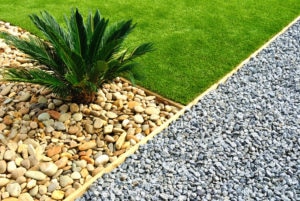
According to a 2017 Houzz Landscape Trends study, roughly 38% of homeowners are currently using gravel or crushed rock for various outdoor projects. From washed gravel to crushed gravel, this durable material is extremely versatile. 

Make sure you are taking advantage of gravel delivery services so you can have this landscaping matter brought right to you. Here are some of the best and most creative uses for gravel: 

Erosion and Drainage Control
Using gravel at the bottom of flower pots is a great way to prevent erosion and control draining on your home. If there is no gutter on a property, a drainage foundation is likely not present, either, subsequently putting any flowers nearby in jeopardy. Use crushed gravel pieces to keep storm water roof run-off from splashing dirt along the side of your home. Also, placing gravel around or underneath drain pipes will prevent soil erosion throughout the area. 

Driveway Creation
Gravel can also be used to create excellent driveways — no matter how big or small. This material can be cruised and used as a concrete mixer to provide a smooth, traction based driveway. Another benefit of gravel is that it can also be laid as is onto a wide path of property as a loose drive area. It’s best to start with larger size pieces of gravel as the first layer, and then use defending sizes as you continue to layer your driveway.

Garden Accents
Finally, gravel can be great for accentuating beautiful home gardens. Rather than just having a garden stand alone on your property, placing gravel down can provide a nice looking flower garden border. This landscaping material can also be used to create stepping stones throughout a garden space, too. 

Keep in mind, you’ll need to work with a credible gravel delivery company before performing any of these landscaping tasks. If you need gravel delivery, topsoil delivery, or any kind of dirt removal service, contact Builders Sand and Gravel Inc today.

5 Reasons To Use Gravel For Your Next Landscaping Project

Written by Builders Sand & Gravel Inc. on . Posted in Blog

gravel deliveryWhen it comes to landscaping design, there are many benefits of having gravel installed around your home or business. You might ask yourself, “What can I use gravel for?”, but the truth is that it is a versatile and practical material. These ubiquitous landscaping rocks are easily maintained, affordable, and readily available from most gravel delivery companies. If you’re in the process of planning your next residential or commercial landscaping project, then here are some of the benefits of crushed gravel:
Very Budget Friendly
Because washed gravel is so easy to install, it doesn’t cost as much as other hardscaping materials. It is especially beneficial for driveways, too, as it can make longer driveways far more affordable. Unlike asphalt or concrete, all that you have to do after a gravel delivery is rake and level the stones along the length of the driveway. In fact, as long as you can provide the elbow grease, there is no real expense to you after it is delivered.

Easy Maintenance
As mentioned above, gravel is very easily maintained. For best results, it’s wise to order a little more gravel than you actually need. That way, as soon as you notice an uneven patch in your landscaping or driveway, you can spread new gravel around and fix the problem with relative ease. There’s no need to invest in expensive coatings or time consuming resurfacing with gravel. Every few years you will need to schedule another gravel delivery, but there is no need to call professionals to seal it or repair cracks.

Weed Control
Not only is gravel affordable and low maintenance, but it also provides year-round weed control. A one-inch layer of rocks can provide effective weed control; however, if any weeds do grow through, it will be easy enough to pull them up by the roots. 

Gravel Comes in a Variety of Styles
Gravel comes in a variety of grades, sizes, colors, and textures. Two of the most popular types of gravel include washed and crushed gravel, but there are many others to choose from. This means that you can find a type that matches the exterior of your property quite easily. No matter what kind of landscaping project or style you have in mind, there is a type of gravel that will fit your property perfectly.

Soaks Up Rainwater
As long as the gravel is installed correctly, you won’t have to worry about drainage. While asphalt and concrete tend to collect puddles of water, gravel patios, driveways, and walkways provide natural drainage. The individual rocks that make up gravel allow for the rainwater to flow right through them, typically to a sand base below, leaving the area free of excess water. Because drainage should be a top priority in any landscaping project, gravel is an ideal choice for a variety of applications.

There are many reasons to use gravel for your landscaping and home improvement projects, with these five being some of the more common. On top of these practical benefits, remember this: gravel looks good, too! So whether you’re working on a budget or need to achieve a more upscale aesthetic, you can easily find landscaping rocks that will suit your purpose.

Looking for gravel delivery in the Seattle area? Contact us for more details and get started on your landscaping project right away.

3 Common Rocks Used In Landscaping Projects

Written by Builders Sand & Gravel Inc. on . Posted in Blog

uses for river rock

If you’re looking to do some landscaping before the weather turns cold, or planning a landscaping project for next spring or summer, then you need to know what you’re working with. Landscaping rocks are a large part of outdoor projects, with materials ranging from crushed gravel to river rock. However, it can be difficult to know what material is best for your project.

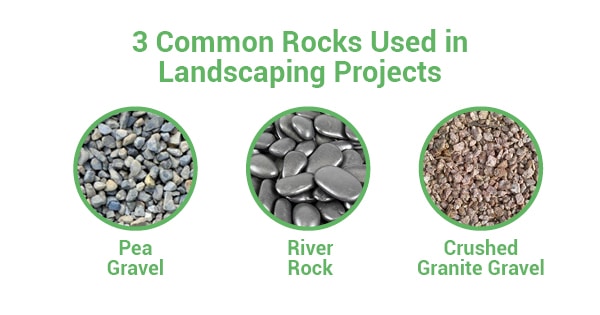
There are a lot of uses for landscaping rocks, and each type has its own advantages and disadvantages. Something like washed gravel won’t be the same as pea gravel, for instance. It’s important to know what you’re getting when you buy, and that’s what this guide is for. Here are three common tips of landscaping rocks and the pros and cons of using them:

Pea Gravel
Pea gravel is a small, rounded rock that’s about the size of a pea, hence the name. It typically comes in shades of tan, brown, and white, but they can also change prices depending on the rocks. They’re often used for patio areas, pathways, and filling between other rocks.

The advantage of pea gravel is that it’s fairly inexpensive and readily available to landscapers. The disadvantage is that it can be hard to push anything with wheels over it. In addition, these tiny rocks tend to slip out of place if you don’t edge them carefully.

River Rock
River rock is a very popular type of smooth gravel, typically one to two inches in diameter. The rocks are a little larger than pea gravel, and also can come in a variety of colors and costs. Uses for river rock are to create dry creek beds or to direct drainage through a property. Major advantages are that it is a readily available product, and there are plenty of uses for river rock in landscaping.

The major disadvantage is that it’s difficult to weed through this type of material. In addition, maintenance needs to be consistent to avoid cleaning issues.

Crushed Granite Gravel
This is a very common rock to be found in landscaping, and it has a very close relation to decomposed granite. This is a bit rougher in texture and size, however, and is not smooth like pea gravel. It’s often found in walkways and patios.

Some advantages to this rock are that it provides great texture in the garden, and it can give a refined or contemporary look. However, it can be harder to find in a more rural area and is often twice the price of a similar decomposed granite.

There are quite a few types of rocks that can be used in landscaping, and there are a lot of uses for river rocks and similar materials. All that has to be done is to find what’s right for your project. Hopefully, this list was able to help.

Important Items You Need for DIY Landscaping Projects

Written by Builders Sand & Gravel Inc. on . Posted in Blog

types of topsoil

Starting a new DIY home improvement project? Unless you’re doing a major overhaul of your home’s interior, you probably won’t need too many different items aside from the household stuff you already have. When it comes to DIY outdoor projects, however, you will need some specific tools and products in order to successfully complete these landscaping tasks. The do-it-yourself community has significantly grown over the last few years, and the most important aspect of perfuming a DIY task is knowing exactly what you need. 

Here are some essentials for just about any DIY landscaping project you have coming up. 

Different types of topsoil
There are three different types of topsoil you should know about before you begin any outdoor landscaping project. You’ll be working with sand, loam, and clay. Each type of topsoil has its own strengths and weaknesses, but be sure to at least know where to acquire all three before starting any outdoor project. 

Landscaping rocks
Make sure you pick up some landscaping rocks as they can be used for all kinds of projects. Whether you are planning to construct a rock wall along the exterior of your property or garden outcropping, know that landscaping rocks will be required. 

Driveway gravel, drain rocks, and crushed rocks
Crushed rock and basalt is a must for nearly any hardscaping outdoor project. These rocks can be used as driveway gravel or for any kind of rock pathway throughout your property. This material can be tightly packed into a smooth, firm surface and can craft any kind of walkway or paved area. Be sure to get enough gravel and crushed rocks, however, so you don’t have to make multiple trips.

For major outdoor projects that require a lot of heavy lifting, consider working with a dump truck hauling company. There are helpful dirt removal services and topsoil delivery companies that can lift and deliver extremely heavy loads that would take you a lot of time and effort to get to your property. 

If you want to learn more about the different types of topsoil you’ll need or what else you might use for landscaping projects, contact Builders Sand and Gravel Inc today.