Landscaping Projects to Divert Storm Runoff
 Spring showers, summer storms, and dreary fall and winter rainfall can all wreak havoc on a yard. Too much moisture can accumulate in your grass or garden, creating a spongy mess. In some cases, poor lawn drainage can even damage your home’s structure through flooding.
Luckily, smart landscape design using drain rock can redirect storm runoff to minimize property damage. Try any combination of the following projects for better control of rainwater and better protection of your property:
- Swales
Swales are essentially man-made riverbeds that channel runoff in more desirable directions. Often resembling a dry creek, swales can be used at the base of slopes and hills or around a house to divert water towards a drainage area. Thick-rooted plants are often used to slow water’s progress to a drain to prevent overflows. Though swales can be simple grassy ditches, drain rocks or washed gravel is often used to prevent the swale from eroding. - Rain Gardens
Another attractive way to control runoff and floodwater is to build and plant a rain garden. Rain gardens provide a place for water to pool during downpours, and incorporate plants that love a good soak. Beneath the flowerbed, a catch basin is used to trap water temporarily and slow its flow into the surrounding soil. The soil in the garden itself is fast-draining to encourage rapid absorption. Sometimes, an underdrain of drain rock is needed to ensure water is dispersed back into the surrounding earth. - Self-Draining Driveways
Finally, self-draining driveways that utilize drainage gravel can help prevent water from pooling during storms. Concrete and asphalt driveways are non-permeable, which means rainwater puddles and are directed to surrounding soils, which are often already saturated. Using gravel in combination with drainage trenches can help redirect the flow of rainwater away from more important areas, like basements or garages.
Some driveways use layers of crushed gravel to create a drainage basin beneath the driveway’s surface for greater protection. When installing any gravel driveway, experts recommended using three layers of different sizes of rock: baseball-sized rocks at the bottom, golf ball-sized rocks in the middle, and marble-sized rocks for the uppermost layer.
Using these smart drainage techniques, you can protect your home from floods and unwanted moisture during storms and rainy seasons.
For more information regarding drain rock, topsoil, rockery rocks or gravel delivery in King and Snohomish Counties, contact Builders Sand and Gravel today!
 A beautiful landscape design involves many elements. Gardens, trees, pathways, and buildings require clever and artistic arrangement to create a cohesive and attractive outdoor space.
 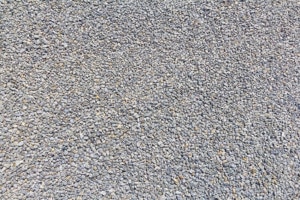 Unless you are a landscaping expert (or maybe if you work in a quarry), you probably did not realize there were so many different varieties of gravel until it came time to update or install a gravel driveway. Gravel driveways are relatively inexpensive and easy to install as a do it yourself project, and a carefully maintained gravel driveway that was properly installed can last up to ten years. People choosing which kind of gravel to install in their driveways will make their selection based on availability, cost, appearances, and drainage. Some popular choices for gravel include river rock and pea gravel, which we will discuss among others below.
  River rock is a type of washed gravel known for its smooth, rounded texture and versatility. River rocks come in a range of sizes, but are typically one to two inches in diameter. Creative landscapers choose to use river rock for landscaping because of its wide range of beautiful and practical applications, including:
 Certain landscaping projects can actually increase a home’s resale value by as much as 14%.
  Landscaping projects, if done correctly, can actually increase your property’s resale value by as much as 14%. There are all kinds of cool ways you can improve your property; plant a garden, install a pool, add a new room or patio, etc. But only a few landscaping projects are actually kid-friendly.