Author Archive

When Do You Need Dump Truck Hauling?

Written by Builders Sand & Gravel Inc. on . Posted in Blog

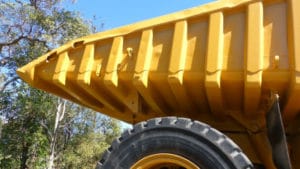
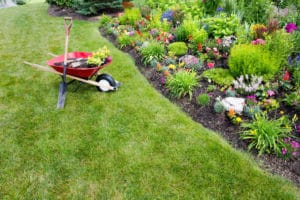
dump truck haulingEveryone’s heard terms like “curb appeal” before, but this isn’t something to think about only when you’re selling a house. You deserve to have beautiful outdoor spaces all the time, and a little landscaping can make a huge difference in the way your home looks to others. But for any big outdoor project you may plan, you’ll need dump truck hauling to pull it off.
 

Why You Need Dump Truck Hauling


Even adding landscaping rocks to your outdoor spaces can be a bigger project than you realized. Whenever you add new landscaping and new features to your yard, you’ll also be removing debris. You may end up gathering up a lot of sticks, raking up old mulch, even picking up rocks and broken pieces of pots. And if you plan on planting anything new to complete the look of your outdoor spaces, you’re going to need dirt removal services of some kind. Dump truck hauling is the solution to completing any outdoor project.


Dump truck hauling can help you get rid of all that debris, dirt, rocks, sticks, and other yard waste you’re bound to encounter when you’re working on any landscaping project. Once you beautify your outdoor spaces, it will be a lot easier for you to spend time enjoying the outdoors. According to a Harris Poll for the National Association of Landscape Professionals, three-quarters of all Americans (around 75 percent) feel that it’s important to spend time being outside and being in their own yards. After all, what’s the point of having it if you aren’t using it? Good landscaping makes it possible for you to enjoy your spaces.


Finding Dump Truck Services


Dump truck hauling isn’t always used just to haul the debris away. Some companies providing dump truck services also make deliveries to help you in your landscaping projects. Dump truck hauling may include delivers of commercial sand, crushed rock, river rock, gravel for driveways, fill sand, and other materials you may need in order to finish a big outdoor project. Once you have all the sand, dirt, and rock you need, you can create truly breathtaking, functional, beautiful outdoor spaces.


Landscaping and outdoor projects can be a great upgrade for your property. For example, a properly-installed gravel driveway receiving proper care and maintenance can last up to 10 years before it needs to be replaced.


Dump truck services often offer residential and construction delivery as well as standard removal services. Getting materials delivered and getting rid of debris are often two of the hardest factors in any big landscaping project. That’s what makes dump truck hauling such a valuable service. Look for companies in your area that provide dump truck services, and you can start looking toward the future of your landscaping.


Simply adding landscaping and other features can increase the value of your property, not to mention the curb appeal. Make an instant impression on people by creating amazing outdoor spaces, and start making the most out of your yard.

What Are Rockery Rocks Used For?

Written by Builders Sand & Gravel Inc. on . Posted in Blog

rockery rocksRockery rocks are the rocks with the funny names that are used for landscaping. They are landscaping rocks Seattle homeowners use in rock gardens, to create barriers, and to add interest to their landscaping.
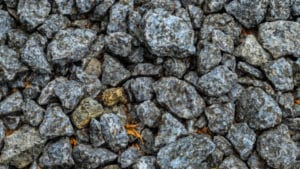
 

If you have ever been to your local Seattle gravel dealer you have run across rockery rocks and just not realized that was the formal name given to these rocks. They are boulders that range in size from 8 to 12 inches, and that weigh between 10lbs in weight to over 1,000 lbs.


Rockery Rock Design Ideas


Many properties are cleared of all their rockery rocks to make way for structures and utilities. This leaves the property without a lot of natural interest. These boulders are often used to put the interest back in the landscaping.


Here are some ways you can make use of rockery rocks:

  • Create a beautiful rock garden by combining large rockery with river rock for landscaping.
  • They are great for rustic retention walls.
  • Use them to enhance outdoor sculptures and yard art.
  • You can use them to create borders around gardens, property lines, and pathways.


You can get creative in your landscaping by using rockery rocks as the anchor in your rock garden. They add a great visual focal point.

Highlight Yard Art and Sculptures


Highlighting yard art and sculptures is easy with these boulders. They can act as a base to display your favorite pieces and give them some height to add to the visual appeal. They can be used as anchors to keep yard art in place.


Retention Walls


Rockery rock is a great option for building retaining walls and keeping erosion at bay. They have the weight to hold back soil and keep it from slipping away. They are also a beautiful addition to your landscaping as rustic border walls that can highlight paths and garden areas.


Put Nature Back Into Your Landscaping


Rockery lets you put the nature back into your landscaping that was lost when your home or business was built. It gives your landscaping that perfect natural touch that really makes it pop, and of course, rockery can be highly functional. It is a win-win situation for your landscaping.

What Can I Use Gravel For? 5 Applications for Gravel

Written by Builders Sand & Gravel Inc. on . Posted in Blog

what can I use gravel forIf you are pondering what can I use gravel for? You need to know about these applications. Gravel is a small pounded stone. They are used for many different applications both commercially and in landscaping for the home.


The first thing you do when you have a project in mind is to arrange for a gravel delivery from a trusted gravel dealer. Gravel for driveways and other applications can be delivered right to the job site. Gravel delivery Seattle and surrounding communities make it easy to use this aggregate anywhere that you need it.


What Can I Use Gravel For?


Let’s get right to the applications that you can use gravel for. Most people know that gravel for driveways is an inexpensive way to create a drivable surface but that is not all gravel can do for you. Here are five applications where gravel comes in handy:

  • Drainage
  • Erosion prevention
  • Mulch replacement
  • Walkways
  • Decorative effect


Gravel is a great option to help with drainage. A layer or two of gravel around a home that is not outfitted with gutters can help to control drainage problems. It is also great to use in the bottom of flower pots and raised bed areas to increase drainage.

Keep Erosion Down


Gravel can help to keep erosion down. It gives the soil something to “hold on to” and helps water to seamlessly pass through without taking the dirt with it.


Safer Then Mulch In Garden Beds


Wood mulch, pine straw, and other organic mulches can be a fire hazard. Gravel in the garden bed gets the same moisture saving results without the risk of it igniting. Gravel is also less pest friendly than other forms of mulch.


Walkways


It is easy to create paths and walkways with gravel. Over time the gravel will become an even surface to walk on, or you can lay it and roll over it to compact it. It looks great and is an inexpensive way to create a walkway.


It Looks Great


In landscaping gravel can be used as a decorative tool. Using gravel is a great way to designate areas and to add some pop to any space. Learn more about how you can use gravel in your landscaping.

Which Types of Gravel Should I Include in My New Driveway?

Written by Builders Sand & Gravel Inc. on . Posted in Blog

gravel for driveways“What can I use gravel for?,” you might ask. The answer is: a lot! Gravel can often be found in landscaping projects, on property pathways, and — perhaps most prevalent — in U.S. driveways. As one of the most popular options, gravel for driveways can last anywhere from three to 10 years with regular upkeep and maintenance. But before you can start thinking about proper maintenance, you’ll need to decide what type to use during installation. While the type of gravel for driveways you’ll use might depend on your contractor’s recommendations and your personal preferences, today’s post will highlight some of the most frequently used types for your convenience.
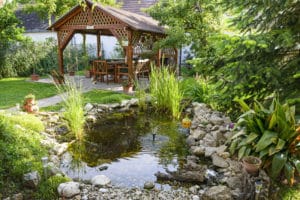
Base Gravel #3 (Clean Stone)

When working with gravel for driveways, you’ll actually need at least a few different layers and different types of material to create a solid foundation and to maintain proper drainage. At the base, you’ll typically want to have some larger, angular gravel to start. One such option is referred to as #3 stone (or clean stone), which is irregular in shape and is made from stones measuring an inch or two in diameter that have been crushed by machines. You could also use #1 angular gravel for this purpose, which is a bit larger in size (around four inches in diameter). Because these bigger pieces do not have rounded edges, they’ll create a more stable base for your driveway.

Item #4

Another popular option for driveway bases is known as item #4. This type of gravel is actually a mixture of dirt, sand, and different stones that have been crushed to measure the size of a golf. You can find item #4 in recycled varieties (which can contain concrete, bricks, rocks, asphalt, and other stones), quarry varieties (which contain crushed limestone), or even gray- or blue-colored varieties, which give the driveway a distinctive tint. This type of gravel can also be used as the middle layer of a driveway, as its smaller size interacts well with larger gravel pieces underneath.

Crushed #57 Stone

There’s another option for crushed gravel for driveways, as well. Crushed #57 stone is also about the size of a golf ball (or sometimes smaller) and can be used as either the middle or the top layer of driveways. This type of gravel may also contain gravel dust (a mixture sometimes referred to as crushed stone #411), which is a particulate that helps the pieces of gravel stick together more easily. The shape of this stone can also promote improved drainage.

Not every contractor will agree on the best type of gravel to use for a given driveway project, but one thing’s for sure: there are a number of options available to you. Above all else, you’ll want to steer clear of round rock and work in multiple layers. For more information on why we provide the gravel delivery Seattle homeowners and business owners can count on, please contact us today.

What Is Topsoil Made Of? Composition, Screening, and Grades Explained

Written by Builders Sand & Gravel Inc. on . Posted in Blog

Topsoil is the dark, biologically active layer at the very top of the ground, usually the first two to eight inches. It is where almost all root activity, microbial life, and nutrient cycling happens, which is why it matters so much for planting beds, lawns, and grading. But “topsoil” sold by the yard is not simply scraped dirt. Understanding what it is actually made of helps you buy the right material and avoid the most common mistake: spreading the wrong soil and watching plants struggle.

The four ingredients in topsoil

Natural topsoil is a blend of mineral particles, organic matter, water, and air. The mineral fraction is what gives soil its texture, and it comes in three particle sizes:

ComponentWhat it isWhat it does
SandThe largest mineral particlesImproves drainage and keeps soil from compacting
SiltMedium particlesHolds moisture and nutrients between sand and clay
ClayThe finest particlesStores nutrients but can pack tight and hold too much water
Organic matterDecomposed leaves, plant material, and compostFeeds soil life and supplies nutrients as it breaks down

A balanced topsoil with roughly equal parts sand and silt and a smaller share of clay is called a loam, and it is what most landscapers want for general planting. The decomposition of organic matter also releases the minerals plants depend on, including nitrogen, potassium, calcium, magnesium, and phosphorus.

Why screened topsoil is different from native dirt

The topsoil you buy from a supplier has usually been screened, which means it is run through a mesh to pull out rocks, roots, clumps, and debris. Screening gives you a consistent, workable material instead of the rocky, uneven soil you would dig out of a yard. Many suppliers also blend in organic matter to mimic and improve on what nature produces, so the bagged or bulk product drains and feeds plants more reliably than raw ground soil.

Topsoil grades: what the labels mean

Not all topsoil is the same grade. Economy or fill-grade topsoil is fine for raising low areas and rough grading where you are not planting. Garden-grade or premium screened topsoil has more organic content and a finer screen, which makes it the right choice for vegetable beds, new lawns, and flower borders. If you are not sure which grade fits your project, it is worth asking your supplier rather than guessing, because the cheaper fill grade will disappoint under a new lawn.

How to use topsoil so it actually works

The single biggest mistake is laying fresh topsoil in a layer directly on top of existing ground. Plant roots and water struggle to cross the boundary between two different soils, so the new layer dries out or stays waterlogged. Instead, loosen the existing surface and mix the new topsoil into the top several inches so the two blend into one continuous root zone. For a new lawn, two to three inches of screened topsoil tilled into the existing grade gives grass a far better start than a thin skim coat.

Common questions about topsoil

What is topsoil made of? Topsoil is a blend of mineral particles (sand, silt, and clay), organic matter, water, and air. The balance of those particles gives the soil its texture, and decomposing organic matter supplies nutrients like nitrogen, potassium, and phosphorus.

What does screened topsoil mean? Screened topsoil has been run through a mesh to remove rocks, roots, and debris, leaving a consistent, workable material. Many suppliers also blend in organic matter so it drains and feeds plants more reliably than raw ground soil.

What grade of topsoil do I need? Economy or fill-grade topsoil is fine for raising low areas and rough grading. Garden- or premium-grade screened topsoil has more organic content and is the right choice for vegetable beds, new lawns, and flower borders.

How do I apply topsoil correctly? Don’t lay it as a thin layer on top of existing ground. Loosen the surface and mix the new topsoil into the top several inches so the two blend into one continuous root zone.

Need quality screened topsoil in King or Snohomish County?

We deliver screened topsoil throughout the greater Seattle area. See our topsoil delivery  |  Bark & topsoil options  |  Contact us for a quote

Wondering whether topsoil or potting soil is right for your project? Read Topsoil vs. Potting Soil.

All About Topsoil: Your Questions Answered

Written by Builders Sand & Gravel Inc. on . Posted in Blog


If you’re landscaping at your place of business or creating a garden at home, you’ll certainly have heard the term “topsoil” thrown around. But what exactly is topsoil and why is it so important? We’ll answer some of the most common questions (including the “what kind of topsoil do I need for my garden?” query) in today’s post.what kind of topsoil do i need for my garden

What Is Topsoil?

Technically speaking, topsoil is the top layer of the earth’s surface. Usually, the topsoil layer extends about five to 10 inches down into the ground. This dark-colored soil is rich in organic matter and microorganisms, so it makes sense that this layer is also where the bulk of biological activity takes place. In other words, the topsoil layer is where plant roots can be found, as nutrients are easy to obtain here.

What Is Topsoil Used For?

As you might have guessed, topsoil is often used for gardening and landscaping. But topsoil uses extend beyond planting. It can also be used to repair damage to lawns and level out a yard, as well as to improve soil drainage on a given property. It can even be used to change the slope of the ground surface.

Are There Different Types of Topsoil?

Yes! Although all topsoil contains the same ingredients, there are actually three distinct types of topsoil. It all depends on the proportion of components. That may prompt you to inquire: “what kind of topsoil do I need for my garden?” Before you can determine that, it helps to know your options.

Sand, loam, and clay topsoil make up the three categories available to you. Sand topsoil, as you might have guessed, has a higher proportion of minerals and rocks. This category can be further divided into two types: silica (which is quartz-based) and aragonite (which is made from shellfish, coral, and other beach lifeforms). Sand topsoil is often used for commercial and agricultural projects. Loam topsoil contains even proportions of silt, clay, and sand. It’s often used in farming and can be found in naturally fertile areas; it generally contains more moisture and nutrients than sand topsoil. Clay topsoil contains a greater proportion of decayed organic material (often, powdered rocks and dried plants). Because it’s less prone to water erosion, clay topsoil can be a good choice when creating barriers.

What Kind of Topsoil Do I Need For My Garden?

Now, it’s time to answer your “what kind of topsoil do I need for my garden” question. Ultimately, there’s not one definitive answer to this. That’s because the type of topsoil you need will largely depend on the type of topsoil you naturally have in a given space. If you don’t know what type of soil you already have on your property, you might want to consider having a sample tested. That can allow you to know more about what your garden is missing and what it really needs to thrive. In the end, you’ll want to choose a topsoil with the correct proportions of sand, clay, and organic matter, as well as the nutrients your plants need to survive. Your topsoil should also retain enough moisture for your plants without creating drainage issues.

Where Can I Get High-Quality Topsoil?

While there are many places that offer topsoil for sale, you should consider working with a resource for topsoil delivery Seattle homeowners and business owners trust. Not all topsoil is created equal, but when you work with a great provider, your property will look its best for the whole season. To learn more, please contact us today.

Thinking of Starting a Rock Garden? Here’s What Rockery Rocks Can Do for You

Written by Builders Sand & Gravel Inc. on . Posted in Blog

what are rockery rocks used forSummer is here, which means that home renovation season is upon us. Not only can weekend warriors looking to add value to their homes have more space for indoor projects, it also means that there’s more time and good weather for landscaping projects as well. If you’re looking for the opportunity to spend time in your yard and add beauty to your landscape, but you’re concerned about the hefty addition to your water bill, consider a rock garden! These eco friendly and striking additions can provide stability and majesty to any landscaping project. Today, we’ll be discussing rockery rocks, the larger end of the spectrum of offerings your gravel dealer can provide. We’ll not only talk about what they are and what advantages they can offer your landscape design project, but we’ll also tackle the question everyone’s asking: “what are rockery rocks used for?
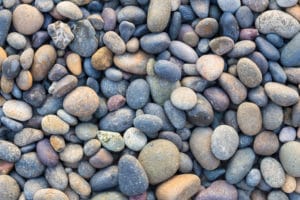
What Are Rockery Rocks?

If you’ve ever made a visit to a gravel dealer, you’ll know that you can find options from pea sand to river rock and more. Rockery rocks are the boulders that range in size from half-man (8-12 inches in size and 10-50 lbs in weight) to five-man, which can weigh over 1,000 lbs. Actual weight depends on the density of the stone, which will determine whether your new addition can be carried by hand, or if you should leave the movement to the professionals. Make sure to ask your quarry what your options are in terms of residential delivery.

What Are Rockery Rocks Used For?

Rockery rocks are primarily used in rock or alpine gardens, offsetting both smaller stones or plants grown at high ranges. In addition to the aesthetic contrast they can offer to smaller stones, they are also useful in retaining walls, stone pathways, and borders surrounding properties. They can also create striking bases for architectural features such as columns or benches. When you ask yourself “what are rockery rocks used for,” the ultimate answer is that the only limit to their use is the garden designers imagination. These versatile stones offer a visually and texturally striking addition to any landscaping project.

What Are the Advantages of Rockery Rocks?

In a recent report from Houzz in 2017, 38% of homeowners reported making the switch or adding rocks and gravel in their updates to patios and terraces. The reasons for turning to quarry products instead of greenhouses range from increasing curb appeal to cutting down on lawn maintenance and the associated water fees. Because of their sheer size and easy visibility from the curb, rockery rocks also offer an alternative to cookie-cutter landscape design in order to add a unique and environmentally conscious twist to home improvement.

Today, we’ve had a chance to discuss some of the finer points of rockery rock placement, but we’d love to hear about your ideas for your projects. When you imagine your dream rock or alpine garden, what does it look like? Let us know in the comments below.

How to Create a Rockery Garden to Remember

Written by Builders Sand & Gravel Inc. on . Posted in Blog

river rockEveryone loves a good garden. You can use different types of topsoil, a variety of flowers, and maybe even a few vegetables in the mix.
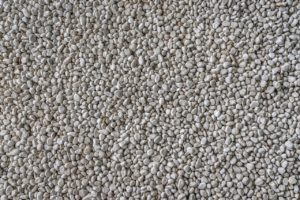
But have you ever thought of building a rockery?

A rockery displays different types of landscaping rocks to create a unique and outdoorsy look. Upon creating something cool to look at, rocks are useful for your garden, too – a small layer of rocks, about one inch in size can fight off the mean weeds attacking your plants.

Rockeries best suit alpine plants, like primrose, tulips, or daffodils. You want to make sure your rockery rocks can maintain the garden you’re aiming for.

First, you want to choose the best base for your rockery. Crushed rock will not be your best bet here. Start with finding local rocks with features. This would be a great time to fish out some river rocks from your local bodies of water.

Rocks such as river rocks have a better ability to contain your garden. River rock also has character, making your garden much more interesting. Make sure to include a variety of sizes within your river rocks.

You must consider your wants and needs for your rockery. When choosing where to locate it, consider how far you will have to carry your rocks (if it’s far away from your river rocks, that’s a lot of heavy lifting for you!) different soil uses, and whether the land is slanted or level.

Place your rockery in a place that gets plenty of sunlight. If you are using a slanted slope, large river rock can keep your garden from sliding down the hill.

It’s time to get much more specific than just simply river rocks to decide what types of rocks to use.


Sandstone

Sandstone have well-defined lines that make your rockery the coolest in the neighborhood. They also make adjusting the size of the rock much easier.


Tufa

Tufa is nutrient rich, which makes it great for helping your alpine plants grow. It also typically has a porous surface, so plants can mold to it. However, it’s not a common rock, so you’ll probably have to search for it.


Decorative Rocks

While not having so much practical use, decorative rocks will add a touch of personality to your rockery. Consider having your family name engraved in a larger bolder or memorializing your lost pet in a smaller stone. Whatever you decide, it will truly make your rockery, “yours.”

No matter how you go about designing your rockery, it will be sure to set you apart from all of the normal gardens on the block. Happy planting!

Gravel Driveways: Maintenance Tips to Follow

Written by Builders Sand & Gravel Inc. on . Posted in Blog

gravel deliveryAdding a gravel driveway at your home or place of business can be an inexpensive way to create your own place to safely park and navigate vehicles. But while a properly installed gravel driveway can last anywhere from three to 10 years with regular upkeep, it can quickly fall into disrepair if you aren’t diligent. To ensure your driveway lasts as long as possible, you’ll want to stay up-to-date with your maintenance. Here are a few important tips you’ll want to follow.

Set a Speed Limit

Although gravel used for driveways is fairly durable, it’s a lot looser than what you’d expect with a paved or poured driveway. Therefore, the materials you obtained during your crushed gravel delivery could potentially be dispersed due to recklessness. Driving too fast over a gravel driveway could cause some damage to the driveway itself. If you want to prevent divots and potholes from forming, make sure to institute a speed limit on your property. By posting signs for guests or for employees, you can ensure that rough driving won’t cause problems.

Remove Debris Regularly

Keep in mind that while crushed gravel delivery is affordable (and a great choice in a lot of other ways), these driveways do require some ongoing maintenance. While you could easily hose down an asphalt driveway, you’ll need to rake a gravel one. This can remove debris like sticks, leaves, and other items that could eventually lead to damage. You don’t have to go over your driveway with a fine toothed comb, but you should make it a point to rake any obvious debris out on a weekly basis. Putting that time in now will allow you to avoid more significant issues later on.

Fill Holes Properly

Sooner or later, you may notice a rut or a pothole start to form. Instead of taking gravel from another part of the driveway to fill in those areas, you should always opt for a new crushed gravel delivery. The first option will actually end up creating more weak spots within the driveway, which can cause damage in the future. But filling the spots in with new gravel will provide a resolution quickly and will allow the entire driveway to retain its strength.

Add Fresh Gravel

In addition to filling in holes and ruts, you’ll also need to apply additional gravel once every couple of years. By obtaining a new crushed gravel delivery at regular increments will make the driveway more stable and address any low spots you might have missed. Adding a fresh layer once a year or once every two years will keep your driveway healthy for many more years to come.

Looking for a resource for gravel Seattle residents can count on? We’re here to provide exactly what you need. From gravel for driveways and parking lots to river rock for landscaping features, our materials are sure to fit the bill and keep your home or business looking its best. For further information, please contact us today.

What is the Best Soil you should be using for your Flower Bed?

Written by Builders Sand & Gravel Inc. on . Posted in Blog

soil uses

When making a flower bed, you are putting your blood, sweat, and tears into a project that you want to look beautiful all year long. You are going to want to make sure you are using the right materials and giving your flowers the proper chance to bloom and grow with enough strength. Soil uses are going to be your main concern. The particular plants you are putting in the flower bed will need the proper conditions and soil for it to thrive. Additional soil than what your yard is currently providing is sometimes necessary for your new flower bed. This mostly comes down to a choice between garden soil uses or topsoil uses.

To someone outside of the gardening scene, they may think that all soils are the same. They would not realize the need for the proper nutrients and fertilizers to ensure long and strong plant life in their flower beds. They might get in contact with the cheapest topsoil delivery only to later find their flowers dying rather quickly. Here are a few tips for garden soil and topsoil.

Garden Soil

Although the term “garden soil” is used on many premixed soils sold in stores, truthfully it is not one natural soil, but multiple. Garden soil sold in stores are made up of a combination of fill sand, silt, clay and various minerals and will have a distinct texture to them. The variety of soils combined in that package were made specifically for a particular plant or type of garden.

Before purchasing any garden soil from a store, be sure to ask what kind of materials are in the mix to ensure that your garden and plants are getting the right soil. Soils are evaluated on their fertility and texture. They are the two basic features you need to know before buying soil. According to Home Depot, “Different plants need different types of support from their soil, so it’s important to determine what you’ll be planting before you pick out the corresponding soil.”

Topsoil

If you are asking yourself, “What is topsoil made of?”, it is the uppermost layer of soil on the earth. It is usually between two and eight inches thick, but in some areas can be up to twelve inches thick. Topsoil is sold in larger quantities for large-scale landscaping needs when compared to garden soil. It is also more of a general mixture of nutrients and not mixed with as many fertilizers or organic matter compared to garden soils.

You might be asking yourself, “What kind of topsoil do I need for my garden?” First, you are going to need to figure out what soil your yard is currently working with. According to SF Gate, “Adding topsoil that is different from the flowerbed’s current soil can change drainage in the flowerbed, leaving plants too dry or waterlogged.” Basically, in order to ensure consistent drainage, mixing soil types should be avoided. Of course, if you are unsure as to the type of soil in your flowerbed, contact an expert for a soil analysis.

All soil uses can differ from each other quite a bit, even if found in the same yard or moved from one flower bed to another. The sand, silt, and clay is all going to be combined in differing proportions. When combined together with the just right proportions as well as in the right location, you will have the best chance to grow healthy, strong flowers. If you end up adding soil that is different from what is currently in the flower bed, you risk changing the drainage in the bed. This can leave your plants too dry or waterlogged. Be sure to do the proper research and provide your plants with the proper soil they will need.